
Madara Rider is one of the most famous places to visit in Bulgaria, and for me, it is also a place with a special personal connection. I first visited the Madara area as a child. Years later, I returned with my own children because I knew it was somewhere I simply had to show them. On another trip, I spent several days in the area with friends, which gave me the opportunity to explore it more thoroughly and discover much more of what Madara has to offer.

Both names, Madara Rider and Madara Horseman, refer to the same famous early medieval rock relief in northeastern Bulgaria. Throughout this article, I use the name Madara Rider, as this is the name under which the monument is listed by UNESCO.
In this guide, I’ve gathered everything you need to know for a visit to the Madara Rider and the surrounding area. I’ll share practical information, tips from my own visits, and details about the Madara Rider Ecotrail, which passes by many of the most interesting sights in the area.
Contents
Short information about the Madara Rider
What to see in the area
Where is Madara Rider and How to Get There
Prices and working hours
What’s more: Madara Rider Eco-trail
Final thoughts
Short information about the Madara Rider
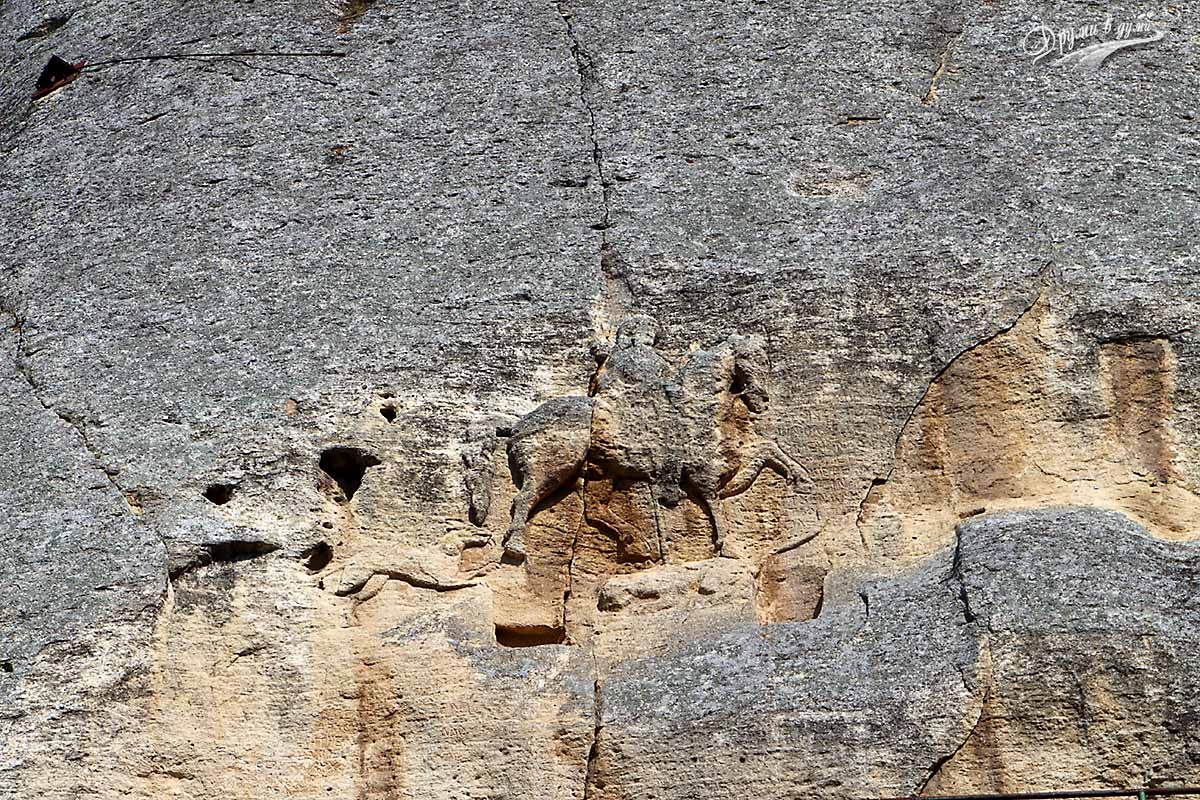
The Madara Rider is a unique Early Medieval relief in Europe. It is a rock bas-relief measuring 3.1 by 2.6 meters, carved into a sheer cliff face at a height of 23 meters. It was first discovered and described in 1872 by Felix Kanitz. In addition to the horseman, the rock composition includes a lion, a dog, an eagle, and inscriptions in Greek. Steep steps to the left of the relief lead up to the Madara Plateau.
The relief depicts a triumphant ruler and is regarded as a symbol of the power of the First Bulgarian Empire. Details support the prevailing theory regarding its ancient Bulgarian origin and its connection to Khan Tervel (701–721). Greek inscriptions surrounding the figure recount relations between Bulgaria and Byzantium during the 8th and 9th centuries and mention the rulers Tervel, Justinian II, Kormisosh, and Omurtag.
In October 1979, during the third session of the UNESCO World Heritage Committee in Luxor, Egypt, the Madara Rider was inscribed on the World Heritage List. In 2008, following a national poll, it was named a global symbol of Bulgaria.
See also: Madara Horse Rider Self-Guided tour
What to see in the area
Of course, the first thing to see is the Madara Rider rock relief itself.
The Madara Rider is part of a much larger historical and archaeological complex (Madara National Historical and Archaeological Reserve), and there are several other sights nearby that are well worth exploring. Here are the highlights.
The Rock Chapel of St. Panteleimon – Tucked into a narrow crevice in the rock, this small chapel lies at the foot of the Madara Plateau, just to the right of the Madara Rider.
The Great and Small Caves – Located at the foot of the cliffs, not far from the chapel, these two caves are another interesting stop while exploring the area.
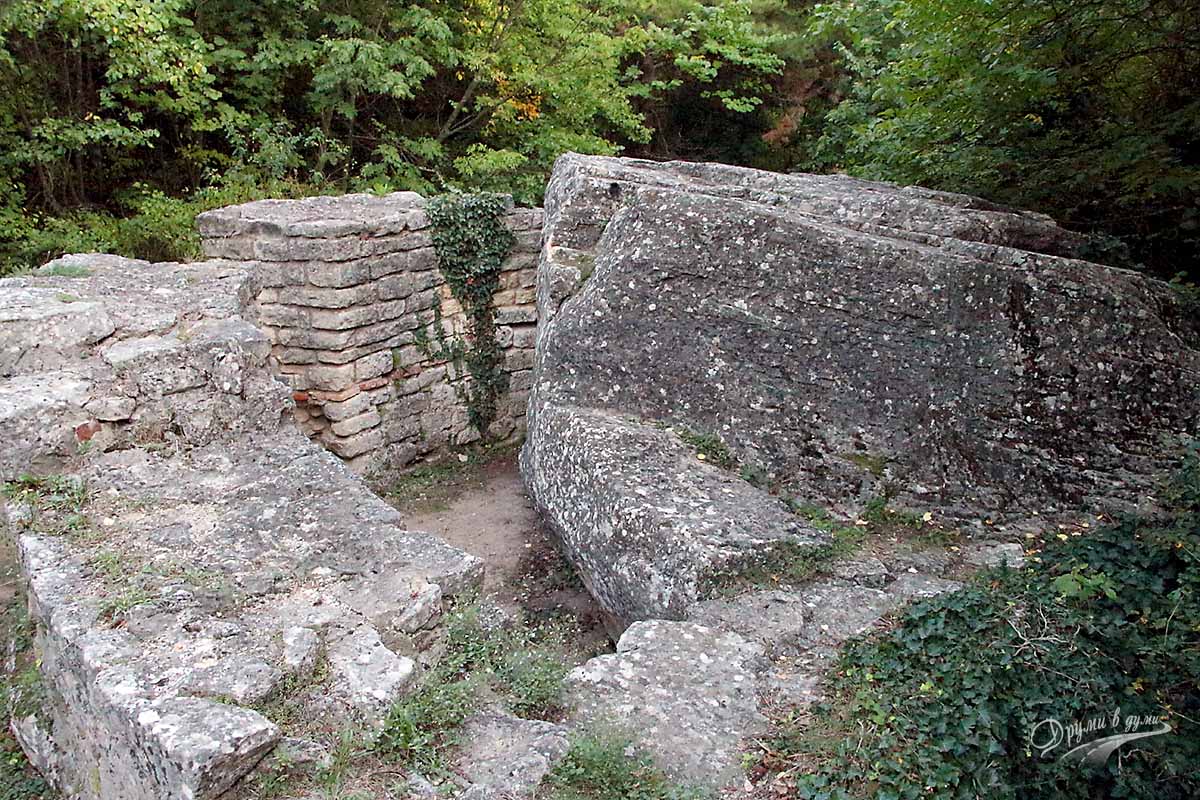
Daul Tash – This huge stone is all that remains of an ancient pagan rock sanctuary associated with the god Tangra. It stands at the foot of the Madara cliffs, to the left of the Madara Rider.
The museum – The museum is located next to the parking area at the entrance to the complex. It contains archaeological finds from excavations in the area, along with plenty of information about Madara and its history.
When we visited the museum, we were given a short introduction to the site and then shown a very interesting film about the Madara Rider and the surrounding area. It opened with the words:
“Madara. The Bulgarian Troy…”
And, as it turns out, there is a pretty good reason for the comparison.
For most people – myself included – Troy is best known for the Trojan War and Helen of Troy, immortalized by Homer in the Iliad. But the ancient city of Troy actually existed for more than 3,000 years. Archaeologists have identified nine cultural layers there, with the oldest dating back to around 3000 BC and the latest to the 1st century AD. The site contains remains from many different periods, cultures, and peoples.
And “our” Madara is every bit as fascinating.
The area is packed with archaeological remains spanning countless centuries and belonging to a remarkable variety of cultures and peoples. The archaeological sites discovered here date from the 4th millennium BC all the way to the 15th century AD.
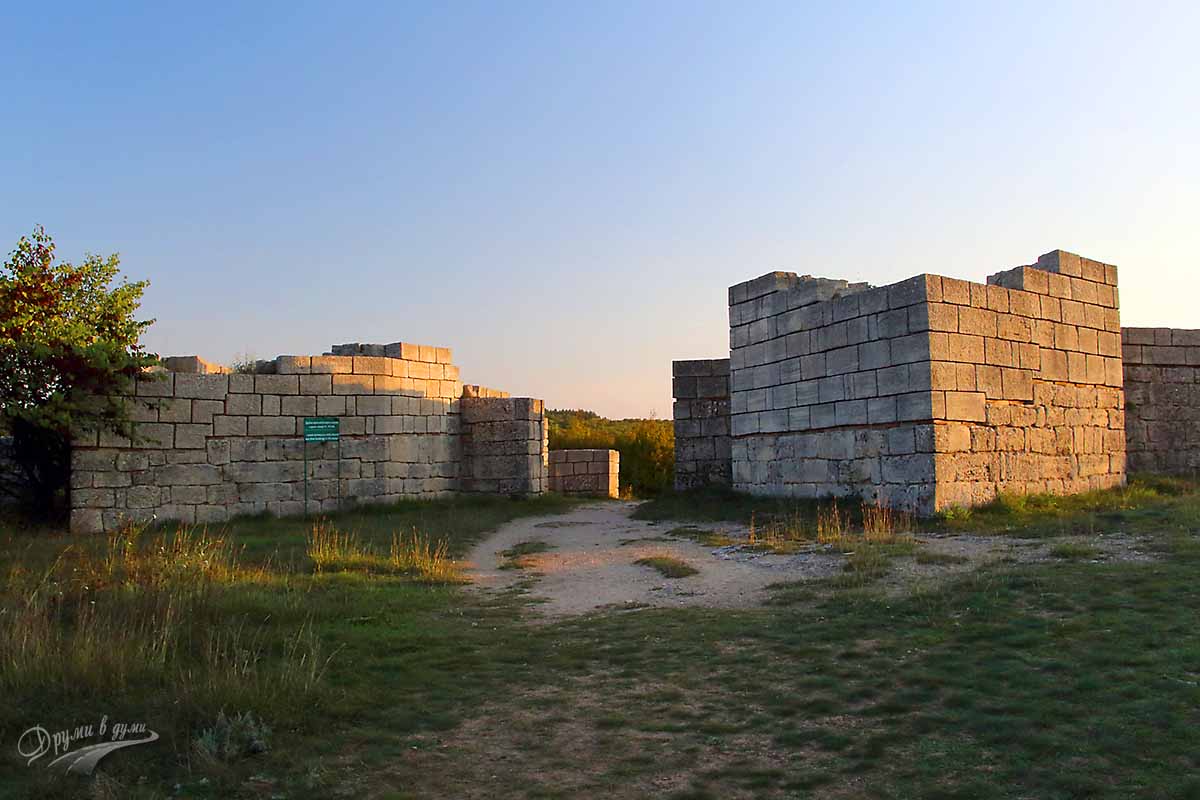
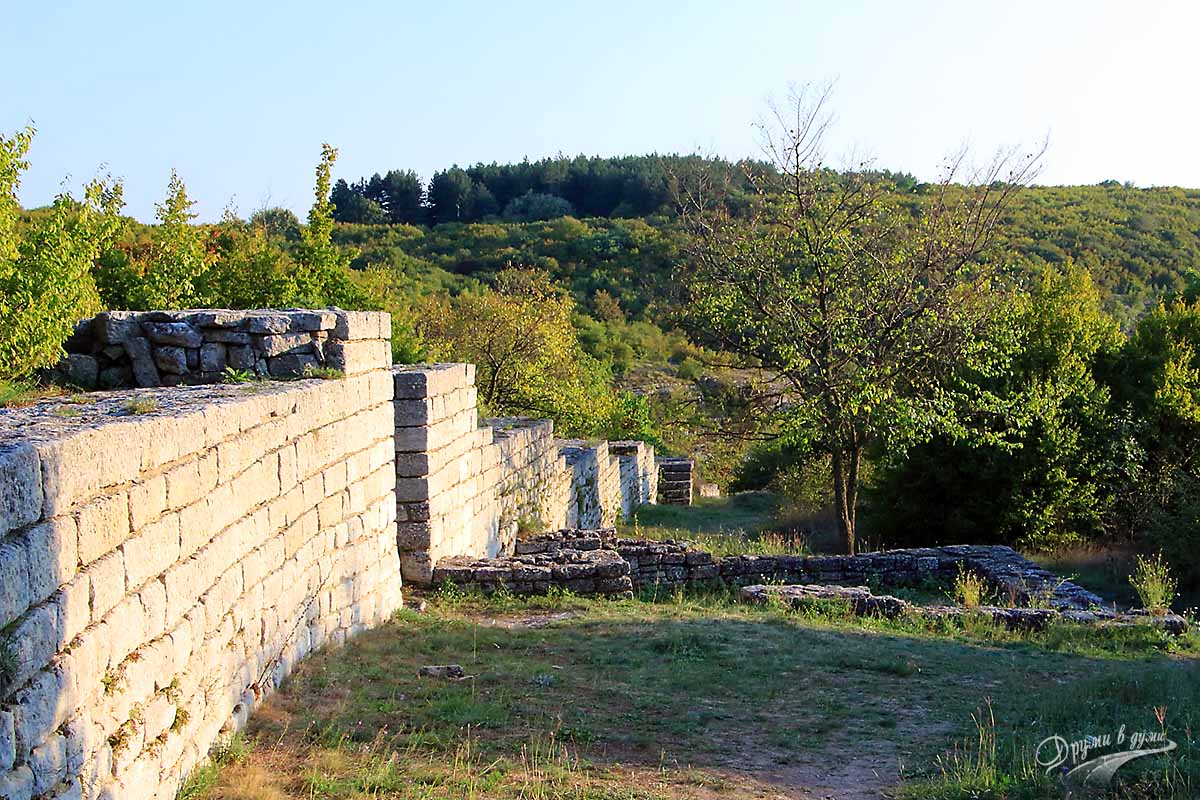
The Madara Fortress – Perched high on the plateau, the fortress can be reached by climbing around 360 stone steps. The climb is worth it, not only for the fortress itself but also for the beautiful panoramic views from the top.
The Madara Fortress dates back to the time of the First Bulgarian Empire and once guarded the approach to Pliska, the capital of the Bulgarian state.
Where is Madara Rider and How to Get There
The Madara National Historical and Archaeological Reserve is located near the village of Madara, about 20 km east of Shumen and 59 km west of Varna.
By car
The easiest way to get there is by car. There is a large parking area at the archaeological complex, so you can leave your car there and explore the site on foot.
By train
Another option is to travel by train. There is a railway station in the center of Madara village. You can check the train schedule from Varna to Madara here. From the railway station, it takes about 30 minutes to walk to the archaeological complex.
See also
Private Historical Tour to Madara Horseman and Ancient Pliska (from Varna)
Prices and working hours
Working Hours
- April to October: 8:30 AM – 8:00 PM
- November to March: 8:30 AM – 5:00 PM
Ticket Prices
- Adults: ~4 EUR
- Senior Citizens: ~3 EUR
- Students: ~2 EUR
Plan 1 to 3 hours for your visit.
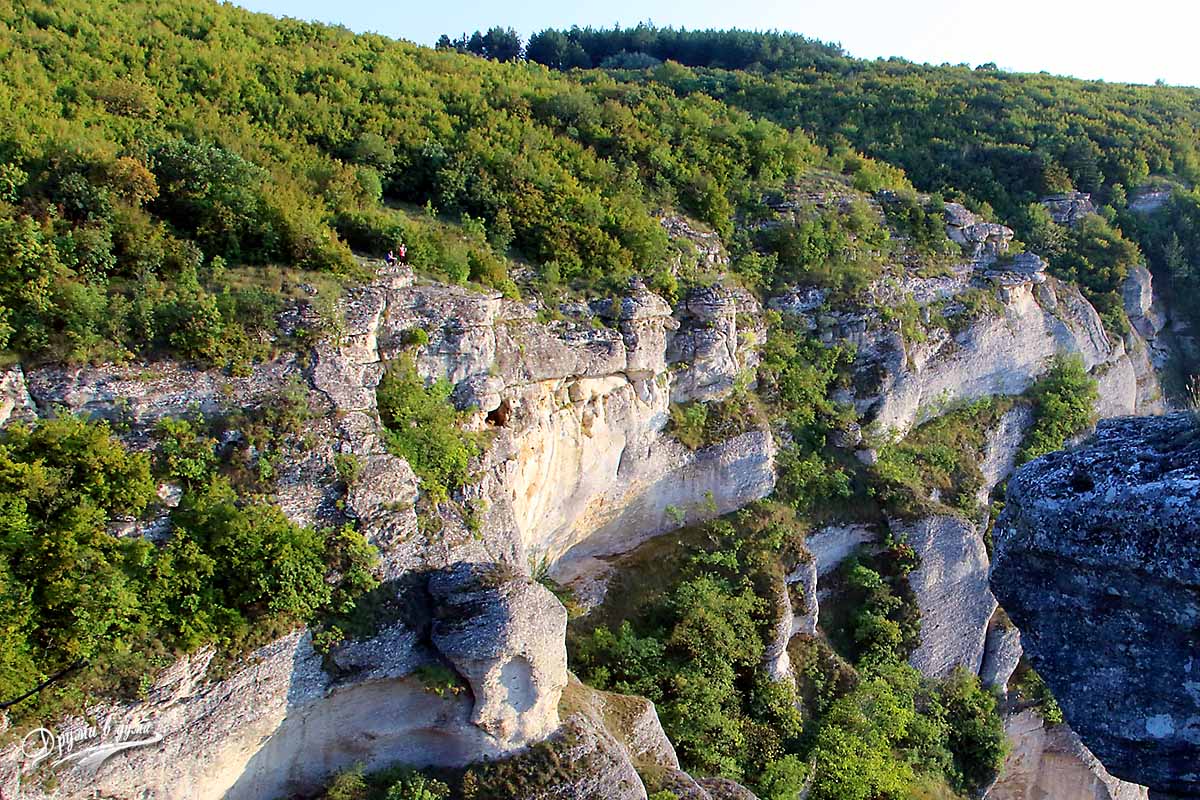
What’s more: Madara Rider Eco-trail
Starting point: 43.277253, 27.116639
Duration: Around 2 hours
The trail is a circular route that starts from the road and gradually climbs up to the plateau above the Madara Rider. From there, it continues to the Madara Fortress before descending via the stone steps carved into the cliffs and eventually reaching the road again.
The total distance is around 6 km and takes approximately two hours to complete. It is a very pleasant hike, with a variety of views and interesting sights along the way.
How to Get There
The trail starts from the road, just after the museum and the toilets. It is wide and easy to spot, with a sign marking the beginning of the route.
The entire trail is marked with the standard white-and-red trail markings, and there are signposts at several points along the way.
Madara Rider Trail Highlights
At the beginning, the trail winds through the forest. After about 15 minutes, you reach the first point of interest – a huge rock known as Samotnitsata, or “The Lonesome One.”
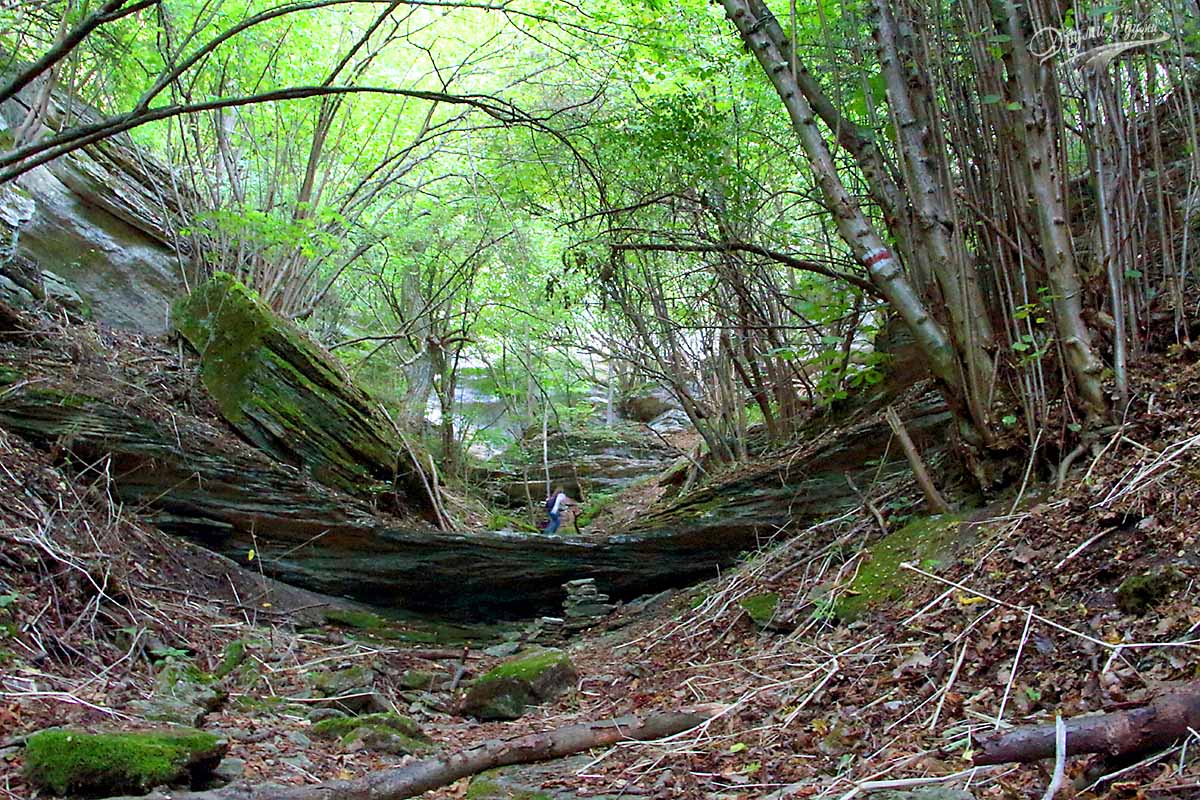
Another 10 minutes or so brings you into the canyon of a dry river. Here, the trail branches off towards Temnata Dupka Cave. Further along are the Dry Waterfall and Dyadodimova Cave.
Before long, you emerge onto the plateau above the Madara Rider and turn right towards the Madara Fortress. This section of the trail offers a succession of beautiful panoramic views.
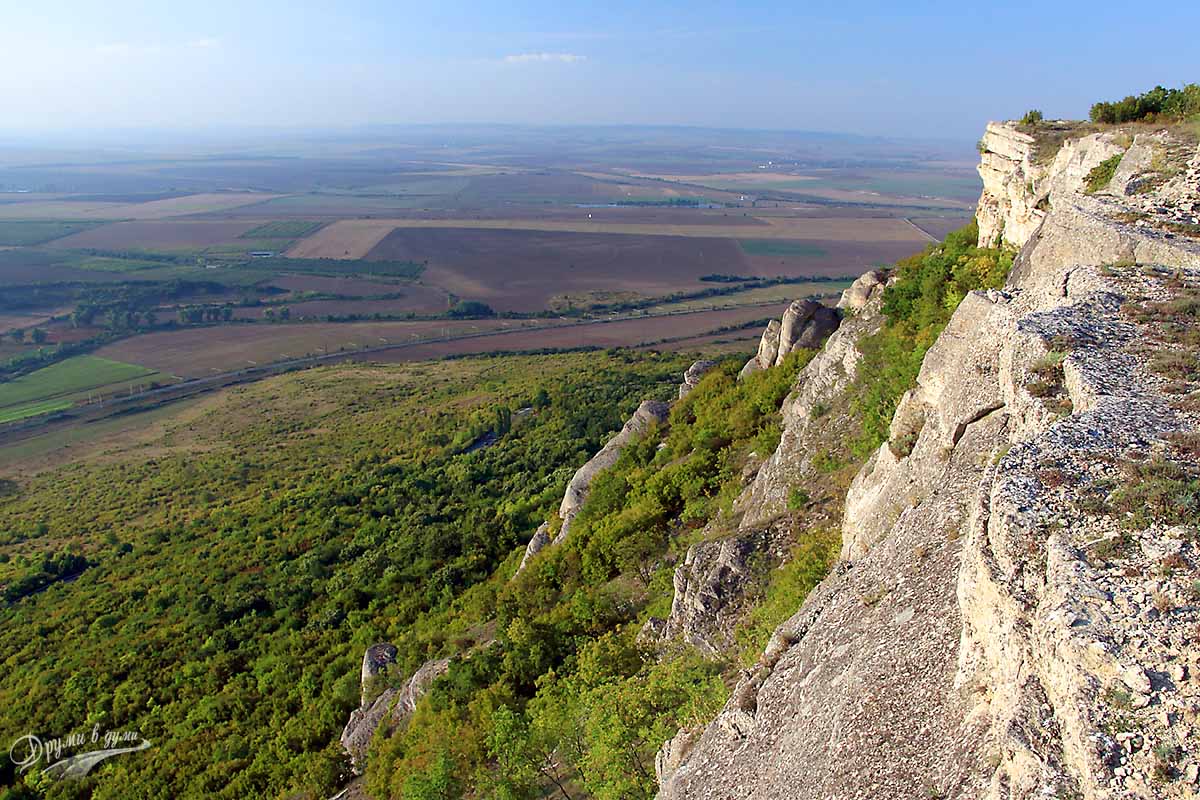
After about 20 minutes of walking across the plateau, you reach the fortress. It is an impressive sight, with sections of the fortress walls, the remains of several churches, towers, and, above all, spectacular views over the surrounding landscape.
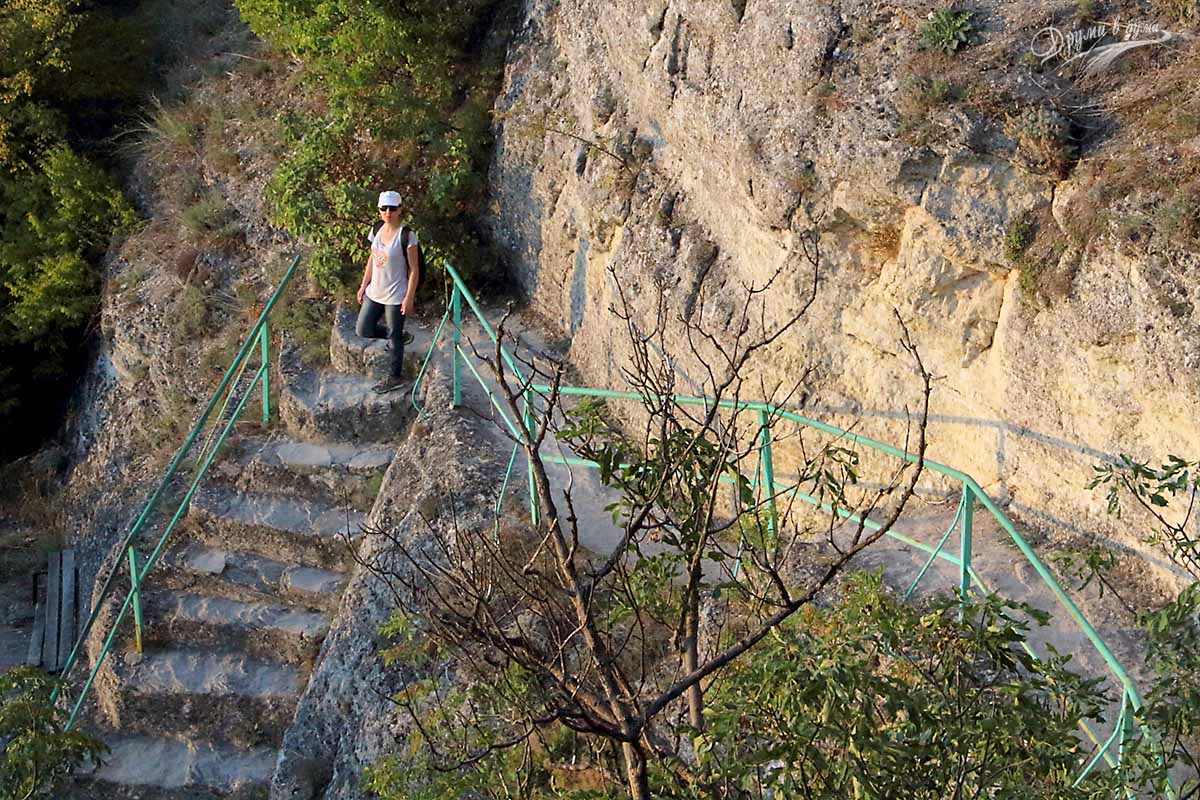
After visiting the fortress, you need to retrace your steps for a short distance before taking the stone steps down through the cliffs of the Madara Rider.
From there, the trail continues past the remains of a medieval monastery, an early Bulgarian bathhouse, an ancient pagan sanctuary, and a large stone known as Daul Tash, that I mentioned above.
Final thoughts
Madara Rider is one of the most famous landmarks in Bulgaria, and it’s also a place I’ve returned to several times over the years. Each visit gave me a different perspective on this remarkable place.
I hope this guide has inspired you to discover the Madara Rider for yourself and has provided all the practical information you need to plan your visit. If you have time, I also recommend exploring the Madara Rider Ecotrail and the other sights around the area.


